

How Natural Stone Has Shaped Artistic Expression Through the Ages
Marble has been the canvas of choice for artists and sculptors for millennia, creating some of the world's most breathtaking masterpieces. From Michelangelo's David to contemporary architectural marvels, this natural stone continues to inspire and elevate artistic expression across cultures and centuries.
The Historical Significance of Marble in Art
The relationship between marble and art dates back to ancient civilizations. Greek and Roman sculptors discovered that marble's fine grain and ability to take intricate detail made it perfect for creating lifelike sculptures. The translucent quality of high-quality marble, particularly Carrara marble from Italy, allowed artists to achieve an almost skin-like appearance in their works
Ancient Greek sculptors pioneered techniques that are still admired today, using marble to create sculptures that seemed to breathe with life. The Parthenon sculptures, carved from Pentelic marble, demonstrate the incredible potential of this natural stone to capture human emotion and movement in permanent form.
Why Artists Choose Marble Over Other Materials
Marble offers unique properties that make it ideal for artistic applications. Its relatively soft nature allows for detailed carving, while its durability ensures that artworks can survive for thousands of years. The variety of colors and veining patterns available in different marble types provides artists with a diverse palette to work withs
Premium marble varieties like Statuario, Calacatta, and Carrara each offer distinct characteristics that artists can leverage for different effects. The pure white of Carrara marble provides the perfect backdrop for classical sculptures, while the dramatic veining of Calacatta can add visual interest to contemporary installations.
Modern Applications of Marble in Contemporary Art
Today's artists continue to push the boundaries of what's possible with marble. Contemporary sculptors use advanced tools and techniques to create intricate installations that would have been impossible for ancient artists. From large-scale public sculptures to intimate gallery pieces, marble remains a favorite medium for artistic expression.
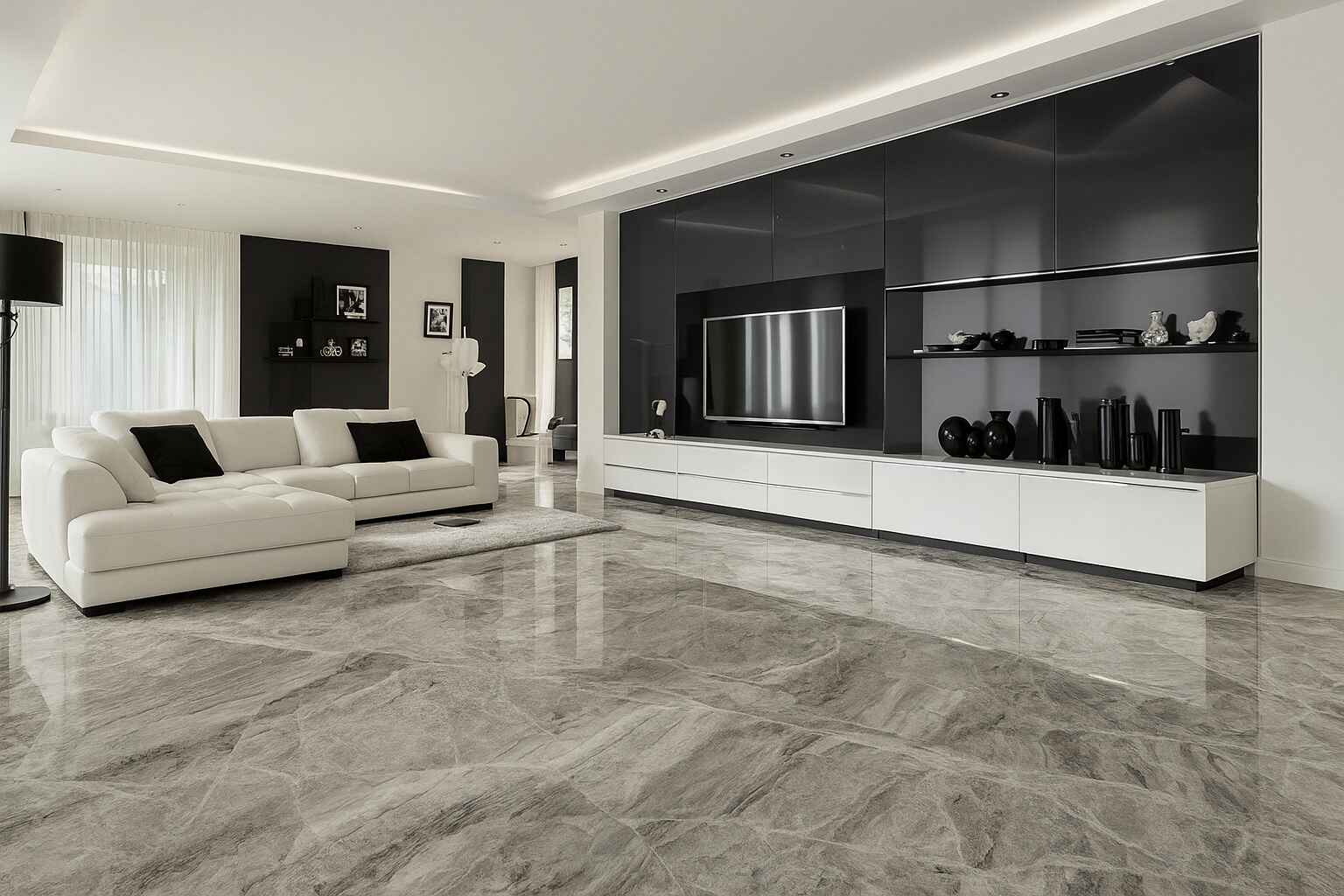
Modern architectural projects also showcase marble's artistic potential. Luxury hotels, museums, and residential spaces use carefully selected marble slabs to create stunning feature walls, flooring, and decorative elements that blur the line between functional design and fine art.
Choosing the Right Marble for Artistic Projects
When selecting marble for artistic applications, several factors come into play. The marble's hardness, grain structure, and color consistency all affect the final result. Working with experienced marble importers ensures access to the highest quality stones suitable for artistic work.
Different marble types serve different artistic purposes. Softer varieties like Carrara marble are excellent for detailed sculpture work, while harder stones like Emperador or Nero Marquina provide durability for large installations and architectural applications
The Future of Marble in Art
As technology advances, new possibilities emerge for working with marble. Water-jet cutting, CNC machining, and other modern techniques allow artists to achieve precision and complexity previously impossible. These innovations, combined with traditional craftsmanship, ensure that marble will continue to play a vital role in artistic expression for generations to come.
The global marble trade makes it possible for artists worldwide to access premium materials from renowned quarries. This accessibility has democratized the use of high-quality marble, allowing more artists to explore its potential in their work.
Whether you're an artist seeking the perfect stone for your next project or an architect looking to incorporate artistic elements into your design, understanding the relationship between marble and art can inspire new possibilities and ensure the selection of the most appropriate materials for your vision.